Barnes Wetland Centre rubbish drop off and recycling options
Posted on 11/08/2026
Barnes Wetland Centre Rubbish Drop Off and Recycling Options: A Practical Local Guide
If you are trying to work out the best way to handle Barnes Wetland Centre rubbish drop off and recycling options, you are probably looking for something simple, sensible, and local. Maybe you have a bag of mixed household waste after a clear-out, a few awkward items that cannot just go in the next bin round, or recycling that needs sorting properly before you head out. It sounds straightforward until you actually start planning it, doesn't it?
This guide breaks the topic down in plain English. You will find out what to consider, how drop-off and recycling choices usually work in practice, what to avoid, and when a collection service may be the calmer option. We will also cover compliance, safety, and the small but important details that save time and hassle. Truth be told, waste is one of those jobs that looks easy until you are standing there with half a van's worth of stuff and no clear plan.
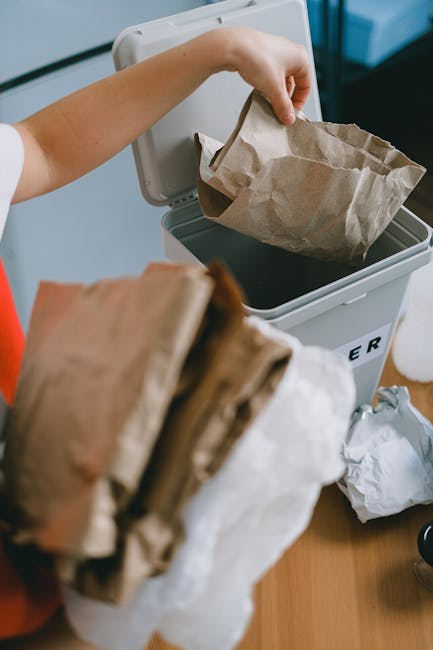
Why Barnes Wetland Centre rubbish drop off and recycling options Matters
Any waste decision near a place like Barnes Wetland Centre has a few layers to it. You are not only thinking about convenience. You are also thinking about keeping the area tidy, avoiding fly-tipping risks, handling recycling properly, and making sure anything you remove is dealt with in a responsible way.
That matters because waste has a habit of spreading beyond the original job. A quick trip to move a few items can turn into a larger clear-out, and then suddenly you are dealing with separate materials: cardboard, plastics, garden debris, old furniture, broken appliances, and maybe one or two items you were hoping would "just fit somewhere." They never do.
In local terms, Barnes is the sort of place where people value tidiness, practicality, and low-fuss solutions. Whether you are coming from a home, a rental, a small business, or a property being prepared for sale, the right disposal route can prevent delays and save repeated journeys. That is especially useful if you want to avoid clutter sitting around in the hallway, on the drive, or in the boot of the car for two days longer than planned.
Our recycling and sustainability approach is worth understanding if you care about keeping as much material as possible out of general waste. Even small decisions, like separating cardboard from mixed rubbish or keeping reusable items apart, make a difference.
How Barnes Wetland Centre rubbish drop off and recycling options Works
At a practical level, this kind of waste handling usually falls into two broad routes: you either drop off waste yourself at the appropriate facility or collection point, or you arrange for it to be collected and sorted by a licensed service. Which route makes sense depends on what you have, how much there is, and how much lifting and time you want to take on yourself.
Drop-off is normally best when the waste is small, well-sorted, and easy to transport. Recycling options are best when the items are clean enough to separate and suitable for reuse or reprocessing. General rubbish, bulky household items, and mixed material loads often need more care. If you are unsure whether something should be recycled, treated as general waste, or handled separately, that is a sign to slow down and check rather than guess.
In a simple sense, the process usually looks like this:
- Sort your items into clear categories.
- Check what is reusable, recyclable, or unsuitable for standard recycling.
- Remove hazardous or sharp materials safely.
- Decide whether you can transport the waste yourself.
- Choose the nearest sensible disposal route or a collection service.
- Keep any paperwork or confirmation where relevant, especially for business or larger loads.
If the load includes furniture, appliances, builders' waste, or mixed household clear-out material, it can become more efficient to use a service rather than trying to piece together several disposal trips. That is often the point where people realise their "quick errand" is turning into a Saturday project. Been there, unfortunately.
For larger or mixed loads, the broader services overview page gives a useful sense of how different types of rubbish can be handled in practice.
Key Benefits and Practical Advantages
The biggest benefit of choosing the right rubbish drop-off or recycling route is clarity. You know where the waste is going, how it is being handled, and what level of effort you need to put in. That sounds basic, but a clear plan often saves more time than people expect.
- Less clutter at home or on-site: waste is removed in one organised go instead of sitting around in bags and boxes.
- Better recycling outcomes: separated materials are more likely to be recycled properly.
- Reduced risk of mistakes: sharp, heavy, or awkward items are easier to manage when planned in advance.
- More suitable for busy schedules: a planned collection can be easier than a self-managed drop-off run.
- Cleaner end result: the area feels more usable straight away, which matters if you are preparing a property or clearing a shared space.
There is also a quieter benefit: peace of mind. When waste is dealt with properly, you do not have that annoying background worry of "Did I leave the right thing in the right place?" or "Was that item recyclable after all?" A tidy resolution is worth a lot.
For readers comparing different disposal routes, pricing and quotes can help you think through whether a collection service is better value than several individual trips, parking costs, fuel, and time.
Who This Is For and When It Makes Sense
This topic matters to a few different kinds of people. Some are simply clearing out a house after years of accumulated stuff. Others are in the middle of a move and need to get rid of unwanted items before exchange or handover. Some are local business owners with packaging waste or office furniture. And some are just trying to do the right thing after a garden tidy-up or small renovation.
It makes sense if you are:
- dealing with a single bulky item that will not fit in normal bins
- sorting recyclable materials after a house or garage clear-out
- removing old furniture, appliances, or garden waste
- working through waste from light DIY or a small refurb
- trying to reduce what ends up in general rubbish
- looking for a tidier, faster option than multiple self-drop journeys
If you are managing a larger property change, it can also be useful to think about how disposal fits into the wider move or sale. For that broader context, this guide to buying homes in Barnes gives a useful local background, especially if you are dealing with pre-sale clearing or moving logistics.
And if you are a resident who simply wants less mess and less faff, that is valid too. Not everything has to become a grand logistics exercise. Sometimes you just need the shed sorted before the weather turns, which, let's face it, in London it probably will.
Step-by-Step Guidance
Here is a straightforward way to approach Barnes Wetland Centre rubbish drop off and recycling options without overcomplicating it.
1. Identify the material types
Start by making separate piles. Use broad categories such as cardboard, plastic, metal, wood, textiles, garden waste, electrical items, and general rubbish. If something is damaged but still clean and reusable, keep it apart from disposable waste for now.
2. Remove anything hazardous or awkward
Some items need careful handling: broken glass, sharp metal, batteries, wet paint tins, or anything contaminated. These should not be bundled in with mixed rubbish. If in doubt, isolate the item and handle it separately. A bit of caution here saves a lot of grief later.
3. Decide what can be recycled
Only send clean, suitable materials into recycling streams. Dirty or mixed materials can contaminate a load and reduce the chance of proper recovery. For example, flattened cardboard is usually easier to manage than cardboard soaked in food residue or rainwater.
4. Think about transport
Ask yourself an honest question: can you reasonably lift, carry, and transport this safely? If the answer is no, or "maybe, but I'll regret it tomorrow," a collection service may be the smarter choice. Heavy items have a way of reminding your back who is in charge.
5. Compare self-drop versus collection
If the waste is small and sorted, self-drop can be perfectly fine. If it is bulky, mixed, or time-sensitive, a collection can reduce the number of steps. The best option is usually the one that keeps the job simple and safe.
6. Keep the process tidy
Bag lightweight waste securely, tape up loose edges where needed, and keep recycling separate from general rubbish. If you are handling items on a path, driveway, or near a vehicle, make sure the route is clear. No one enjoys a half-open bag of broken packaging blowing everywhere in a little gust of wind. Nobody.
Expert Tips for Better Results
Little decisions make a big difference with waste removal. Here are the habits that tend to help most.
- Sort before you move: do the organising at the source, not after you have stacked everything in the car.
- Keep recyclables clean and dry: dry materials are easier to separate and more likely to be accepted.
- Use strong bags or containers: thin bags split at the worst possible moment, usually right when you are carrying them through a doorway.
- Measure bulky items early: a quick check on size avoids wasted effort and awkward surprises.
- Combine jobs where sensible: if you are already clearing the loft, it may be efficient to include cardboard, soft furnishings, and odd bits in one planned move.
A small but important tip: take photos of anything unusually large, fragile, or mixed before you arrange disposal. That helps you remember what you actually have, because memory gets a bit fuzzy once you are surrounded by bags and boxes.
If you are comparing service quality, it is also worth looking at the company's approach to safety and handling. The page on insurance and safety is a useful reminder of what professional waste handling should take seriously.

Common Mistakes to Avoid
Most waste problems are boringly avoidable. That is the good news. The bad news is that people keep making the same mistakes because they are trying to save time.
- Mixing everything together: mixed waste is harder to sort, harder to recycle, and more likely to be handled as general rubbish.
- Assuming all "clean-looking" items are recyclable: some materials need specific handling, especially electricals and composite items.
- Leaving disposal until the last minute: rushed waste decisions usually cost more in time and stress.
- Overloading a car or van: this is unsafe and can create a mess if items shift in transit.
- Ignoring paperwork for commercial loads: business waste has different expectations from household tidying.
- Forgetting access constraints: parking, steps, narrow lanes, and lift access can all affect the best disposal method.
The most common one? People think they have "just a few bits." Then the pile grows in front of them like it has its own agenda. If that sounds familiar, you are in good company.
Tools, Resources and Recommendations
You do not need fancy equipment to handle waste properly, but a few basic tools make the whole thing far easier.
- Heavy-duty sacks: useful for mixed light waste and packaging.
- Marker pen and labels: handy if you are separating material types.
- Gloves: practical for handling rough, dusty, or sharp items.
- Moving straps or a trolley: useful for furniture or appliance movement.
- Sturdy boxes: better than loose bags for small recyclables and fragile items.
For local support, this can also be a good moment to look at the wider recycling and sustainability approach, especially if you want a more responsible solution for mixed waste or reusable items.
If you need a quicker, more direct way to clear a job without doing several runs yourself, the domestic waste collection Barnes service is a practical option to keep in mind. For larger domestic jobs, house clearance Barnes can be a better fit, while furniture removal Barnes and white goods and appliance disposal Barnes suit heavier specialist items. Garden jobs naturally point toward garden waste removal Barnes, and building-related debris is usually best handled through builders waste removal Barnes.
Law, Compliance, Standards, or Best Practice
Waste handling in the UK is not something to treat casually, especially if the material came from a business or a larger clear-out. Best practice is to make sure waste is transferred to someone authorised to carry it, and to keep your own records where appropriate. For households, the main concern is usually making sure waste goes to a legitimate, suitable route and not into an unverified or informal arrangement.
For business waste, the expectations are stricter. You should know who is taking the waste, what they are licensed or registered to do, and how the material will be handled. If a company cannot explain that clearly, that is a red flag. Not dramatic, just practical.
Choosing a provider with a clear compliance stance helps reduce risk. The waste carrier licence and compliance page is relevant here because it speaks directly to lawful handling and responsible disposal.
For your own records and peace of mind, keep any job confirmation, invoice, or written note of what was collected. That may feel a bit formal for a few bin bags, but it can be useful, especially for commercial or mixed-use properties. It is simply a good habit.
Options, Methods, or Comparison Table
Here is a simple comparison of the most common ways to handle waste around Barnes.
| Option | Best for | Pros | Watch-outs |
|---|---|---|---|
| Self drop-off | Small, sorted loads | Simple if you already have transport; good for one-off recycling | Requires lifting, parking, and your own time |
| Mixed recycling separation | Clean materials and reusable items | Can reduce general waste; more responsible handling | Needs careful sorting and clean materials |
| Domestic collection | Household rubbish and bulky items | Convenient; saves multiple trips | Usually needs clear access and a sensible load description |
| House clearance service | Larger clear-outs or move-related jobs | Efficient for high-volume work; less stress | May be more service-led than a simple drop-off |
| Specialist removal | Furniture, appliances, garden waste, builders' waste | Better match for heavy or awkward items | Needs the right service for the right material |
In practice, people often use a mix of methods. For example, they might keep recyclable cardboard and reusable items aside, then arrange collection for bulky and mixed waste. That hybrid approach often works well. No need to make it harder than it is.
Case Study or Real-World Example
A local homeowner near Barnes had spent a weekend clearing out a spare room before renting it out. There were old boxes, a broken desk, a small pile of paper recycling, a couple of bags of mixed waste, and a tired-looking lamp that had seen better days. At first, the plan was to make multiple trips and "just get it all done" in one afternoon.
By mid-morning, the issue was obvious: the items were a mix of light, bulky, and awkward materials, and the car would only take so much. Rather than cramming everything together, the homeowner split the job into recyclable paper and cardboard, reusable bits, and a separate pile of bulky waste. The recyclable material was straightforward. The furniture and mixed load were better handled by a collection service.
The result was calmer, cleaner, and honestly quicker than trying to force everything into a single trip. The room was ready for decorating that same day, and there was no leftover pile waiting in the hall like an unwanted guest. That is often the real win: fewer moving parts.
Practical Checklist
Use this before you decide how to handle Barnes Wetland Centre rubbish drop off and recycling options.
- Have I sorted waste into clear categories?
- Are any items sharp, hazardous, or awkward to move?
- Do I know which items are recyclable and which are general waste?
- Is the load small enough for a self-drop-off trip?
- Do I have safe transport and enough space?
- Would a collection save time or reduce risk?
- Have I kept business waste records if needed?
- Are reusable items being separated from rubbish?
- Is access clear for lifting and carrying?
- Do I have a realistic plan for bulky or heavy items?
If you can tick most of these boxes, you are in good shape. If not, pause and rethink the route. That tiny pause can save a lot of faff later.
Conclusion
The best approach to Barnes Wetland Centre rubbish drop off and recycling options is the one that is safe, sensible, and matched to the waste you actually have. Small, sorted loads can often be handled with a self-drop or careful recycling routine. Bulky, mixed, or time-sensitive waste is usually better managed through a collection service that reduces lifting, sorting, and back-and-forth journeys.
If you keep materials separated, avoid rushing the process, and choose the right route for each item type, the whole job becomes much easier. That is especially true in a local area like Barnes, where people tend to value tidy streets, clean spaces, and practical solutions that do not create extra mess along the way.
When you are ready to move from planning to action, a clear, licensed, and properly handled disposal service can take a lot of pressure off your day. And frankly, sometimes that is the best outcome: less stress, less clutter, and a clear space at the end of it.
Get a free quote today and see how much you can save.